Home » Veterans & PTSD
Rhythm and Praise Charitable Fund
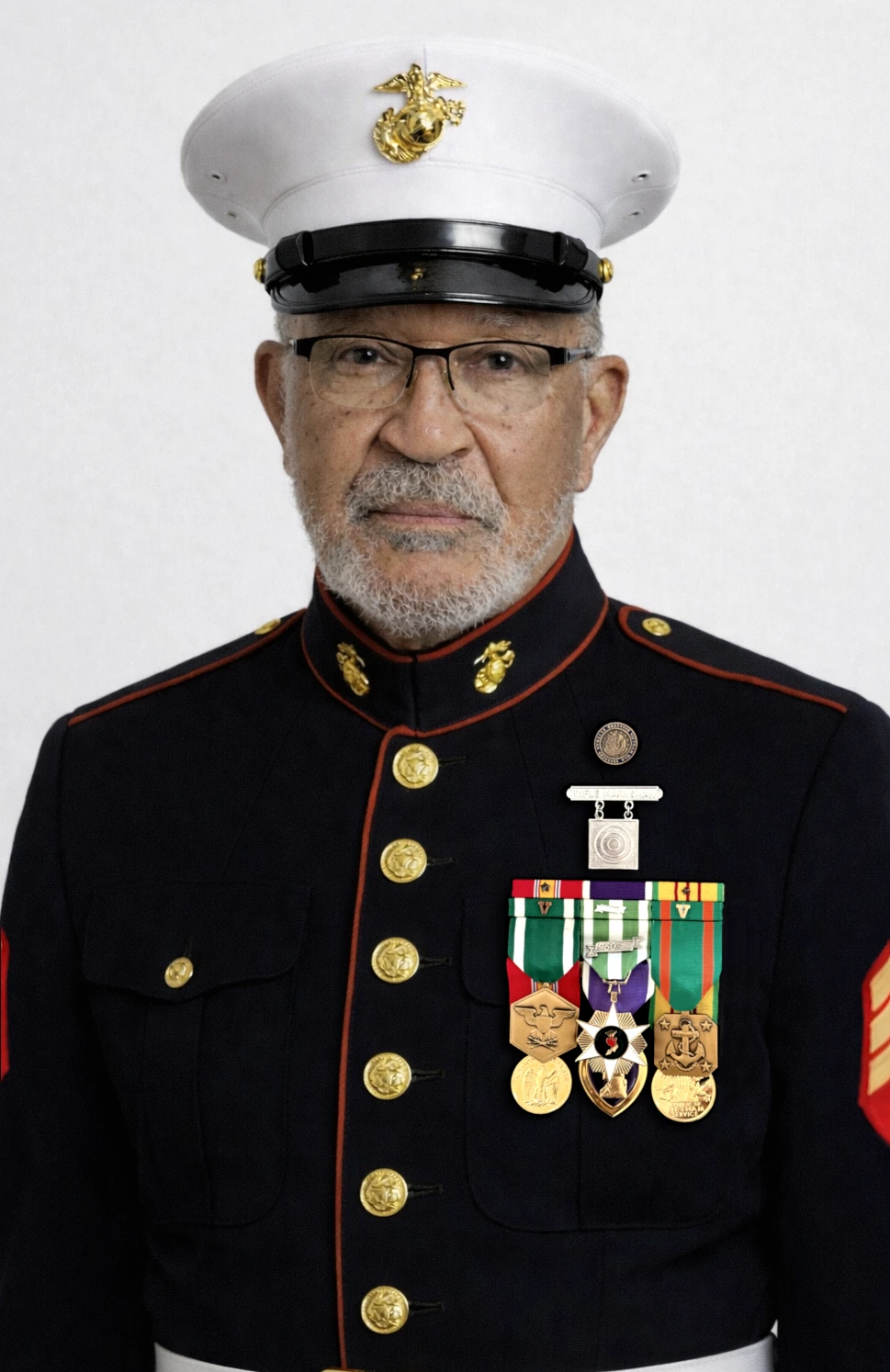
U.S. Marine Corps Veteran (Semper Fi)

Living with Post-Traumatic Stress Disorder (PTSD) can make everyday life feel overwhelming. Flashbacks, anxiety, emotional distress, and social isolation often impact personal relationships, work, and overall well-being. While professional therapy remains the cornerstone of PTSD treatment, complementary activities like golf are increasingly recognized for their positive impact on mental health and recovery.
Golf combines physical activity, mindfulness, time in nature, and social interaction—creating an environment that encourages healing both mentally and emotionally. Whether you’re a veteran, first responder, or someone recovering from trauma, golf can become a meaningful part of your wellness journey.
Post-Traumatic Stress Disorder (PTSD) is a mental health condition that can develop after experiencing or witnessing a traumatic event. It affects millions of people worldwide, including military veterans, first responders, survivors of abuse, and individuals who have experienced accidents or natural disasters.
Common symptoms include:
Because PTSD affects everyone differently, treatment often involves a personalized combination of therapy, medication, support groups, and healthy lifestyle activities


Golf is much more than a recreational sport. Its unique combination of physical movement, focus, and peaceful surroundings makes it an excellent complementary activity for individuals managing PTSD.
Every golf shot requires concentration on the present moment. This mindful focus helps redirect attention away from intrusive thoughts and promotes emotional regulation.
Walking the course, spending time outdoors, and maintaining a steady rhythm throughout the game can lower stress levels and promote relaxation.
Golf offers gentle cardiovascular exercise while improving flexibility, balance, coordination, and endurance. Regular physical activity is closely linked to improved mental health outcomes.
Isolation is a common challenge for those living with PTSD. Golf naturally encourages conversation, teamwork, and community, helping individuals rebuild confidence and meaningful relationships.
Research and personal experiences continue to highlight several psychological benefits associated with regular golf participation.
Golf provides a healthy outlet for managing stress while improving mood and emotional resilience.
Strategic thinking, patience, and concentration during play help improve cognitive function and reduce mental fatigue.
Every milestone—whether mastering a swing or completing a round—builds confidence and creates a sense of accomplishment.
Many golf programs foster peer support, allowing participants to connect with others who share similar experiences and recovery journeys.

Across many communities, specialized golf programs are helping veterans and trauma survivors improve their quality of life through structured instruction and supportive environments.
These programs often include:
By combining recreation with emotional support, participants often experience greater confidence and reduced feelings of isolation.
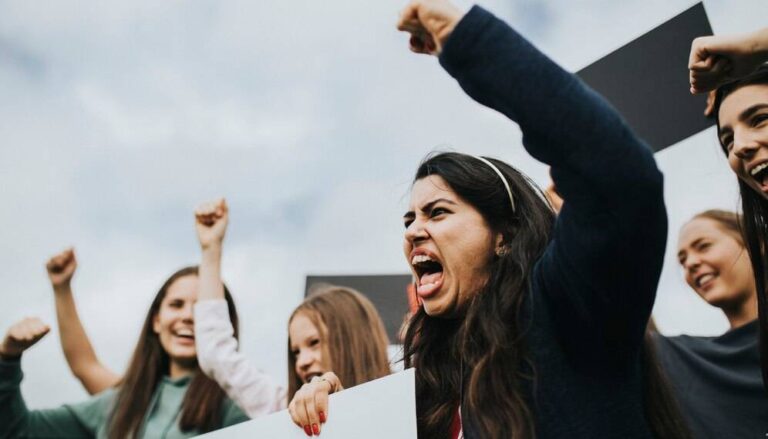
Although golf offers numerous benefits, some barriers may prevent individuals with PTSD from participating.
These may include:
Fortunately, many organizations now offer affordable programs, adaptive instruction, and supportive coaching specifically designed to make golf more accessible.
A welcoming golf community can make a significant difference in recovery.
Successful programs often focus on:
These inclusive approaches help participants feel comfortable while gradually building confidence and resilience.
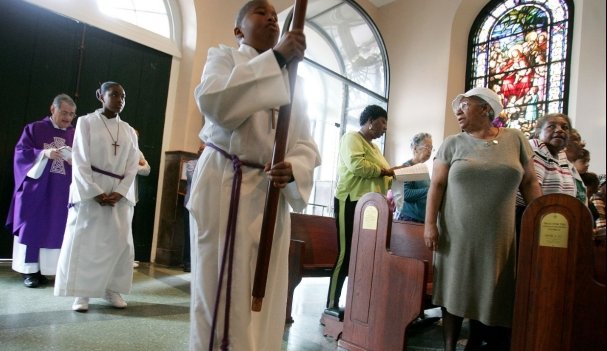
While golf offers meaningful therapeutic benefits, it should not replace professional mental health care. Instead, it works best as part of a comprehensive treatment plan that may include:
Combining traditional treatment with enjoyable physical activities often leads to improved long-term outcomes.
Recovery from PTSD is a personal journey, and no single approach works for everyone. However, many individuals have discovered that golf provides more than exercise—it offers peace, purpose, friendship, and hope.
Whether you’re looking to reduce stress, reconnect with others, or simply enjoy time outdoors, golf can become a valuable part of your path toward improved mental well-being.
Take the first step today and discover how the game of golf can support healing, resilience, and a healthier future.